




















• Latest
  • Trending
  • All
  • Altcoins
  • Business
  • Crypto Market
  • Crypto Exchange
  • Crypto Regulations
  • Bitcoin
  • Crypto Opinions
Ethereum 2.0 What Investors Need to Know About the Upgrade

Ethereum 2.0 What Investors Need to Know About the Upgrade

September 26, 2024

Reimagining Ethereum Income – Why JAMining Is the Safer Path to Daily Crypto Returns

August 1, 2025

Dogecoin Crypto Price Prediction: Comprehensive Analysis and Future Outlook

July 19, 2025

Gold Depot Sets a New Benchmark in Wealth Growth with Automated Gold Arbitrage Trading

April 9, 2025

Most Profitable Crypto to Mine in 2025: A Complete Guide

February 14, 2025
Altcoin Season 2024: How to Prepare and Maximize Profits

Altcoin Season 2024: How to Prepare and Maximize Profits

November 21, 2024
Altcoins vs. Meme Coins: How to Spot Real Value Amid the Hype

Altcoins vs. Meme Coins: How to Spot Real Value Amid the Hype

November 20, 2024
Altcoin Adoption in Emerging Markets: Use Cases and Success Stories

Altcoin Adoption in Emerging Markets: Use Cases and Success Stories

November 13, 2024
How Governance Altcoins Are Shaping the Future of DAOs

How Governance Altcoins Are Shaping the Future of DAOs

November 13, 2024
Best Altcoins for Cross-Border Payments and Remittances

Best Altcoins for Cross-Border Payments and Remittances

November 13, 2024
Exploring Green Altcoins Cryptocurrencies Focused on Sustainability

Exploring Green Altcoins Cryptocurrencies Focused on Sustainability

November 13, 2024
Crypto Market Outlook 2024: Key Trends to Watch for the Year Ahead

Crypto Market Outlook 2024: Key Trends to Watch for the Year Ahead

November 11, 2024
What Are Altcoins? A Beginner’s Guide to Alternative Cryptocurrencies

What Are Altcoins? A Beginner’s Guide to Alternative Cryptocurrencies

November 11, 2024
  • Home
  • Contact us
Friday, November 14, 2025
  • Login
The Coins Mail
No Result
View All Result
  • Blockchain
    Edna Foster CryptoProNetwork: Bridging Traditional Finance with Blockchain Innovation

    Edna Foster CryptoProNetwork: Bridging Traditional Finance with Blockchain Innovation

    The Future of Finance: Exploring Blockchain’s Impact on Banking

    The Future of Finance: Exploring Blockchain’s Impact on Banking

    Demystifying Blockchain: A Simple Guide for Non-Techies

    Demystifying Blockchain: A Simple Guide for Non-Techies

    How Blockchain Is Revolutionizing Supply Chain Management

    How Blockchain Is Revolutionizing Supply Chain Management

    Blockchain Beyond Crypto Real-World Applications You Should Know

    Blockchain Beyond Crypto Real-World Applications You Should Know

  • Bitcoin
    Bitcoin Mining Explained: From Basics to Advanced Techniques

    Bitcoin Mining Explained: From Basics to Advanced Techniques

    Understanding Bitcoin Halving: What It Means for Investors

    Understanding Bitcoin Halving What It Means for Investors

    10 Reasons Why Bitcoin Adoption Is Growing in 2024

    10 Reasons Why Bitcoin Adoption Is Growing in 2024

    Bitcoin for Beginners How to Get Started with Cryptocurrency

    Bitcoin for Beginners: How to Get Started with Cryptocurrency

    Trending Tags

    • Golden Globes
    • Mr. Robot
    • MotoGP 2017
    • Climate Change
    • Flat Earth
  • Altcoins
    Altcoin Season 2024: How to Prepare and Maximize Profits

    Altcoin Season 2024: How to Prepare and Maximize Profits

    Altcoins vs. Meme Coins: How to Spot Real Value Amid the Hype

    Altcoins vs. Meme Coins: How to Spot Real Value Amid the Hype

    Altcoin Adoption in Emerging Markets: Use Cases and Success Stories

    Altcoin Adoption in Emerging Markets: Use Cases and Success Stories

    How Governance Altcoins Are Shaping the Future of DAOs

    How Governance Altcoins Are Shaping the Future of DAOs

    Best Altcoins for Cross-Border Payments and Remittances

    Best Altcoins for Cross-Border Payments and Remittances

    Exploring Green Altcoins Cryptocurrencies Focused on Sustainability

    Exploring Green Altcoins Cryptocurrencies Focused on Sustainability

    What Are Altcoins? A Beginner’s Guide to Alternative Cryptocurrencies

    What Are Altcoins? A Beginner’s Guide to Alternative Cryptocurrencies

    Altcoins vs. Bitcoin: Which Offers Better Long-Term Investment Potential?

    Altcoins vs. Bitcoin: Which Offers Better Long-Term Investment Potential?

    Top Altcoins for Liquidity Mining and Yield Farming in 2024

    Top Altcoins for Liquidity Mining and Yield Farming in 2024

    The Rise of Privacy Altcoins: Top Projects for Anonymous Transactions

    The Rise of Privacy Altcoins: Top Projects for Anonymous Transactions

    Trending Tags

    • Donald Trump
    • Future of News
    • Climate Change
    • Market Stories
    • Election Results
    • Flat Earth
  • Crypto Opinions

    Most Profitable Crypto to Mine in 2025: A Complete Guide

    Cryptocurrency The Future of Money or a Passing Fad

    Cryptocurrency The Future of Money or a Passing Fad

    The cryptocurrency market is known for its extreme volatility, with prices capable of soaring to new highs or plunging to record lows in a matter of days. For investors, understanding the cycles of bull and bear markets is crucial to navigating these price swings and making informed decisions. These market cycles are an inherent part of any financial market, and the crypto market is no exception. In this comprehensive guide, we’ll break down the dynamics of bull and bear markets, their characteristics, and how investors can strategize during each phase. Table of Contents What Are Crypto Market Cycles? What is a Bull Market? 2.1 Characteristics of a Bull Market 2.2 Factors that Trigger a Bull Market What is a Bear Market? 3.1 Characteristics of a Bear Market 3.2 Factors that Trigger a Bear Market Phases of a Crypto Market Cycle 4.1 Accumulation Phase 4.2 Run-up/Bull Phase 4.3 Distribution Phase 4.4 Decline/Bear Phase Psychological Impacts of Bull and Bear Markets How to Identify Bull and Bear Market Trends Historical Bull Markets in Cryptocurrency Historical Bear Markets in Cryptocurrency Investment Strategies for Bull Markets Investment Strategies for Bear Markets The Role of Market Sentiment How to Hedge Risks in Crypto Markets The Impact of External Factors on Market Cycles How to Stay Informed During Market Cycles Common Misconceptions About Bull and Bear Markets FAQs About Crypto Market Cycles 1. What Are Crypto Market Cycles? Crypto market cycles refer to the natural ebb and flow of market prices over time, characterized by periods of growth (bull markets) and decline (bear markets). These cycles are influenced by a range of factors, including investor sentiment, technological developments, regulatory changes, and broader economic conditions. Unlike traditional markets, crypto market cycles tend to be shorter and more volatile, driven in part by the speculative nature of digital assets. 2. What is a Bull Market? A bull market is a period of rising prices, typically accompanied by increased investor confidence and optimism about the future. In a bull market, demand for cryptocurrencies outpaces supply, leading to upward price momentum. Bull markets are often marked by widespread media attention, institutional interest, and new investors entering the market. 2.1 Characteristics of a Bull Market Upward Price Trends: Prices of most cryptocurrencies rise consistently over a period of weeks, months, or even years. Increased Trading Volume: There is a surge in buying activity as more investors look to capitalize on rising prices. Positive Sentiment: Optimism dominates investor sentiment, leading to more people entering the market. New All-Time Highs: Cryptocurrencies frequently hit new all-time highs, generating excitement and attracting even more investors. Speculative FOMO (Fear of Missing Out): As prices rise, fear of missing out prompts more investors to buy, fueling further gains. 2.2 Factors that Trigger a Bull Market Technological Innovations: Breakthroughs such as the launch of a new blockchain platform or significant upgrades can boost investor confidence. Institutional Adoption: When large corporations or institutional investors announce support for cryptocurrencies, it can trigger a bull market. Positive Regulation: Regulatory clarity or favorable government policies can spur market growth. Macroeconomic Factors: Low-interest rates, quantitative easing, and other favorable macroeconomic conditions can drive investors towards riskier assets like cryptocurrencies. 3. What is a Bear Market? A bear market is a prolonged period of falling prices, usually accompanied by negative sentiment and reduced trading activity. In a bear market, the supply of cryptocurrencies exceeds demand, causing prices to decline. Bear markets can be triggered by a variety of factors, including regulatory crackdowns, security breaches, or broader economic downturns. 3.1 Characteristics of a Bear Market Downward Price Trends: Cryptocurrencies experience sustained price declines, often losing 20% or more of their value. Decreased Trading Volume: As prices fall, trading activity slows down, with fewer investors willing to buy into the market. Pessimism and Fear: Investor sentiment shifts to fear, uncertainty, and doubt (FUD), leading to panic selling. Capitulation: Investors who held through the early stages of the downturn eventually "capitulate" and sell their assets at a loss. Lengthy Recovery Period: Bear markets can last months or even years, with prices taking a long time to recover. 3.2 Factors that Trigger a Bear Market Negative News or Regulation: Announcements of regulatory crackdowns or unfavorable news can trigger panic selling. Hacks and Security Breaches: Major security incidents, such as the hacking of a prominent exchange, can undermine confidence in the market. Macroeconomic Factors: Recession fears, rising interest rates, or a general flight to safety can lead to a bear market. Market Corrections: After a prolonged bull market, prices often correct as speculative bubbles burst, leading to a bear phase. 4. Phases of a Crypto Market Cycle Understanding the distinct phases of a market cycle can help investors better predict when to enter or exit the market. 4.1 Accumulation Phase This phase occurs at the end of a bear market when prices stabilize, and savvy investors begin accumulating assets at lower prices. Sentiment is generally neutral, and trading volumes are low. 4.2 Run-up/Bull Phase After accumulation, prices begin to rise as demand increases. This phase is characterized by optimism, media coverage, and a sharp increase in trading volumes. The market enters a bull cycle, and prices start to skyrocket. 4.3 Distribution Phase In the distribution phase, early investors begin taking profits as prices reach their peak. While some new investors continue to buy, market enthusiasm begins to wane. Trading volumes may remain high, but the price movement slows or becomes volatile. 4.4 Decline/Bear Phase The market enters a bear cycle as prices fall due to declining demand and panic selling. Investor sentiment turns negative, and prices continue to drop as the cycle reaches its low point. 5. Psychological Impacts of Bull and Bear Markets Market cycles can have a profound impact on investor psychology. During a bull market, optimism and excitement can drive irrational exuberance, leading investors to take on more risk than they should. In contrast, bear markets often bring fear and panic, causing investors to sell at a loss, even if they believe in the long-term value of their assets. Understanding these psychological effects can help investors make more rational decisions and avoid emotional pitfalls. 6. How to Identify Bull and Bear Market Trends Recognizing whether the market is in a bull or bear phase is crucial for timing investments effectively. Bull Market Indicators: Rising prices, increasing volume, and positive sentiment in the media are strong indicators of a bull market. Look for new all-time highs and surging interest from institutional investors. Bear Market Indicators: Prolonged price declines, decreasing trading volume, and widespread pessimism are key signs of a bear market. Major news events like regulatory crackdowns or exchange hacks can also trigger a bear phase. Technical analysis tools, such as moving averages, the Relative Strength Index (RSI), and Fibonacci retracements, can help identify market trends and potential reversal points. 7. Historical Bull Markets in Cryptocurrency 2017 Bull Run: Bitcoin surged from $1,000 in January to nearly $20,000 in December, fueled by widespread media coverage, the rise of ICOs, and retail investor enthusiasm. 2020-2021 Bull Run: Bitcoin and Ethereum reached new all-time highs, with Bitcoin exceeding $60,000. This bull market was driven by institutional interest, the rise of decentralized finance (DeFi), and increasing adoption of cryptocurrencies as an asset class. 8. Historical Bear Markets in Cryptocurrency 2018 Crypto Winter: After the 2017 bull run, the market entered a brutal bear phase in 2018. Bitcoin’s price dropped from nearly $20,000 to below $4,000, and many altcoins lost over 90% of their value. The ICO bubble burst, leading to widespread losses. 2022 Bear Market: Triggered by rising inflation, interest rate hikes, and a broader sell-off in risk assets, the crypto market experienced a significant downturn in 2022. Bitcoin’s price dropped by over 60%, and many altcoins suffered similar declines. 9. Investment Strategies for Bull Markets During a bull market, the primary goal is to maximize gains while managing risk: HODLing: Holding onto assets for the long term can be a highly effective strategy in a bull market, allowing investors to capture large price gains over time. Buying on Dips: Taking advantage of temporary price corrections can be a way to accumulate more assets during a bull phase. Trailing Stop-Loss Orders: Setting trailing stop-loss orders can help lock in gains by automatically selling if the price drops by a predetermined percentage. 10. Investment Strategies for Bear Markets In a bear market, preserving capital and minimizing losses become the top priorities: Dollar-Cost Averaging (DCA): This strategy involves regularly purchasing a fixed amount of cryptocurrency, regardless of price, allowing you to average out the cost of your investments over time. Stablecoins: Converting assets into stablecoins can help protect against volatility while waiting for the market to recover. Short Selling: Advanced traders may choose to short-sell cryptocurrencies, betting on further price declines. 11. The Role of Market Sentiment Market sentiment, or the overall attitude of investors, plays a crucial role in driving market cycles. Positive sentiment during a bull market can lead to price overextension, while negative sentiment during a bear market can cause prices to drop further than fundamentals justify. Tools like the Fear and Greed Index can help gauge market sentiment and provide insights into potential turning points. 12. How to Hedge Risks in Crypto Markets Hedging strategies can help protect against the downside during bear markets or price corrections: Diversification: Spread your investments across different cryptocurrencies and asset classes to reduce risk. Futures and Options: Advanced traders can use futures and options contracts to hedge against potential price movements. Stop-Loss Orders: Setting stop-loss orders can automatically sell your assets if prices fall below a certain threshold, limiting losses. 13. The Impact of External Factors on Market Cycles Several external factors influence crypto market cycles, including: Global Economic Conditions: Economic factors such as inflation, interest rates, and economic recessions can affect investor appetite for risk assets like cryptocurrencies. Regulation: Announcements of new regulations or government policies can trigger either bull or bear markets. Technological Advancements: Innovations in blockchain technology can drive market growth, while setbacks can lead to declines. 14. How to Stay Informed During Market Cycles Staying informed about the latest news and developments is essential for navigating crypto market cycles. Following reputable crypto news outlets, subscribing to market analysis reports, and engaging with online communities can provide valuable insights. Additionally, using technical analysis tools can help identify trends and potential turning points. 15. Common Misconceptions About Bull and Bear Markets Misconception 1: Bull markets last forever. In reality, every bull market is followed by a bear market. Misconception 2: Bear markets are bad for investors. While bear markets are challenging, they also present opportunities for accumulating assets at lower prices. Misconception 3: All cryptocurrencies perform the same in a bull or bear market. In reality, different cryptocurrencies can react differently depending on market conditions and individual developments. 16. FAQs About Crypto Market Cycles Q1: How long do bull and bear markets typically last? Bull and bear markets can last anywhere from a few weeks to several years, depending on the underlying market conditions and external factors. Q2: Can you make money in a bear market? Yes, investors can make money in bear markets through strategies like short selling, dollar-cost averaging, or by investing in stablecoins. Q3: What triggers a market cycle reversal? Market reversals can be triggered by changes in investor sentiment, regulatory developments, macroeconomic factors, or technological advancements. Q4: Should I sell during a bear market? It depends on your investment strategy. Some investors choose to hold through bear markets, while others may sell to preserve capital and buy back in at lower prices. Q5: How can I tell if a bull market is ending? Indicators of a bull market ending include decreasing trading volume, increased volatility, and negative news or regulatory developments. Q6: Are market cycles the same in traditional financial markets? While the general principles of market cycles apply to both traditional and crypto markets, the crypto market tends to experience more rapid and extreme cycles due to its relatively young and volatile nature. Conclusion Understanding crypto market cycles—particularly the dynamics of bull and bear markets—is essential for making informed investment decisions. Each phase of the market cycle presents unique opportunities and challenges, and recognizing the signs of a cycle shift can help you maximize profits and minimize losses. Whether you're navigating a bull market's euphoria or bracing for the challenges of a bear market, adopting a sound strategy based on thorough research and risk management is the key to long-term success in the cryptocurrency space.

    The Great Crypto Debate: Digital Gold or Speculative Bubble?

    Expert Predictions Where Will Bitcoin Be in 5 Years

    Expert Predictions: Where Will Bitcoin Be in 5 Years?

    Trending Tags

    • Flat Earth
    • Sillicon Valley
    • Mr. Robot
    • MotoGP 2017
    • Golden Globes
    • Future of News
  • NFTs/DeFi
  • Business
  • Crypto Scams
  • Ethereum
The Coins Mail
No Result
View All Result

Ethereum 2.0 What Investors Need to Know About the Upgrade

by The Coins Mail
September 26, 2024
in Ethereum
Ethereum 2.0 What Investors Need to Know About the Upgrade
Share on FacebookShare on Twitter

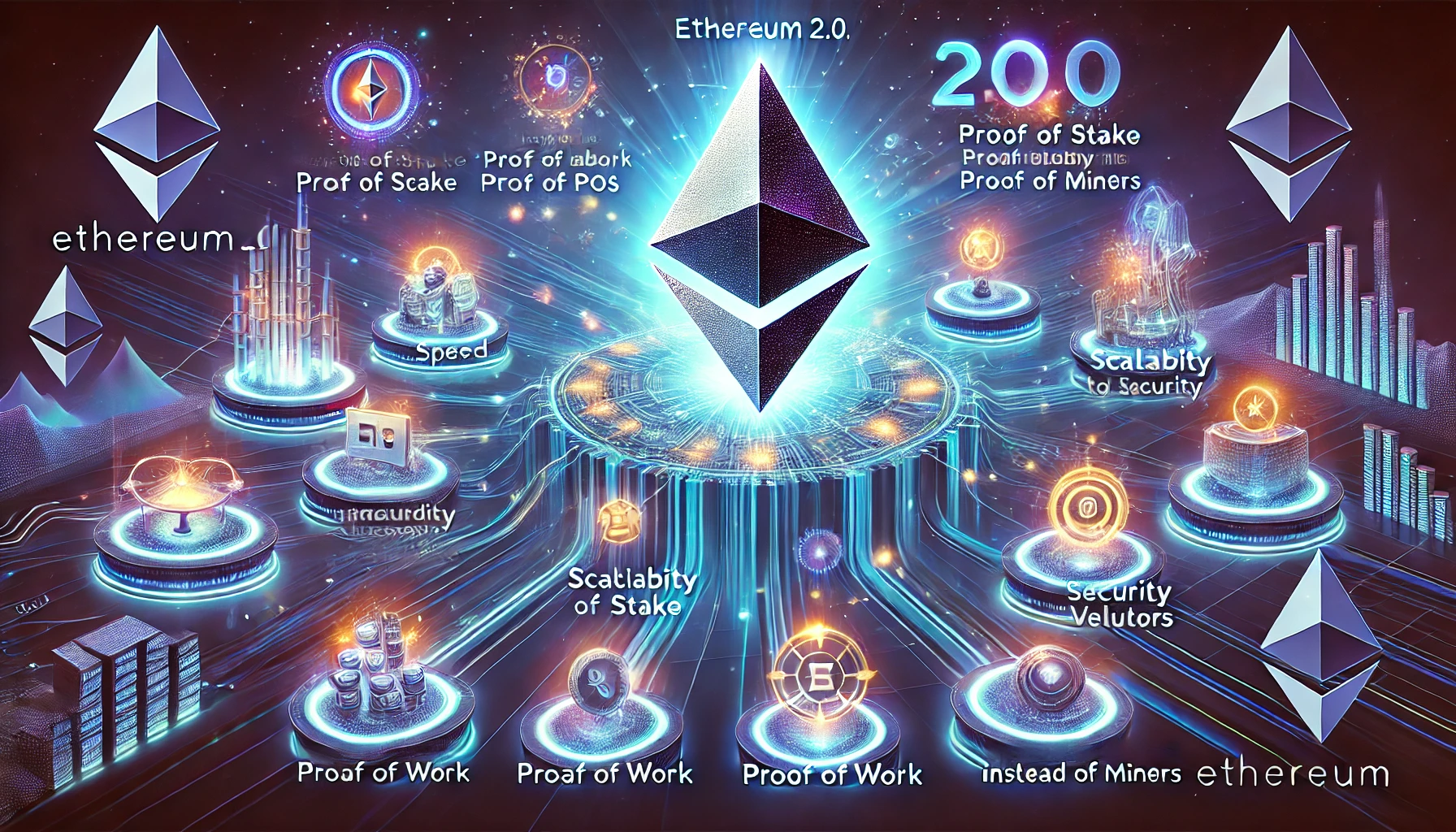
Ethereum, the second-largest cryptocurrency by market capitalization, has been undergoing a significant transformation known as Ethereum 2.0 or ETH2. This upgrade promises to address some of the network’s most pressing issues, including scalability, energy efficiency, and security. For investors, understanding the implications of this upgrade is crucial for making informed decisions about their Ethereum holdings and potential future investments.

This comprehensive guide will delve into the details of Ethereum 2.0, exploring its key features, potential impact on the cryptocurrency market, and what investors should consider as the upgrade unfolds.

Table of Contents

  1. Understanding Ethereum’s Current State
  2. What is Ethereum 2.0?
  3. Key Features of Ethereum 2.0
  4. The Roadmap to Ethereum 2.0
  5. Potential Impact on Investors
  6. Risks and Challenges
  7. How to Prepare for Ethereum 2.0
  8. Frequently Asked Questions
  9. Conclusion

Understanding Ethereum’s Current State

Before diving into the details of Ethereum 2.0, it’s essential to understand the current state of Ethereum and why the upgrade is necessary.

Ethereum’s Achievements

Since its launch in 2015, Ethereum has achieved significant milestones:

  • Smart Contracts: Introduced programmable blockchain technology, enabling decentralized applications (dApps).
  • DeFi Revolution: Catalyzed the growth of Decentralized Finance (DeFi), with billions of dollars locked in various protocols.
  • NFT Boom: Powered the explosion of Non-Fungible Tokens (NFTs), revolutionizing digital ownership and art.
  • Large Developer Community: Attracted one of the largest and most active blockchain developer communities.

Current Limitations

Despite its success, Ethereum faces several challenges:

  1. Scalability: The network can only process about 15-20 transactions per second, leading to congestion and high gas fees during peak usage.
  2. Energy Consumption: The current Proof-of-Work (PoW) consensus mechanism is energy-intensive and environmentally unsustainable.
  3. Network Congestion: As demand for Ethereum-based applications grows, network congestion has become a recurring issue, impacting user experience and increasing transaction costs.

These limitations have prompted the development of Ethereum 2.0, a series of upgrades designed to address these issues and prepare Ethereum for mainstream adoption.

What is Ethereum 2.0?

Ethereum 2.0, also known as Eth2 or Serenity, is a set of interconnected upgrades designed to make Ethereum more scalable, secure, and sustainable. It represents a significant shift in the network’s underlying technology and aims to address the limitations of the current Ethereum blockchain.

Core Objectives of Ethereum 2.0

  1. Improve Scalability: Increase the network’s capacity to handle a higher volume of transactions.
  2. Enhance Security: Strengthen the network’s resistance to attacks and centralization.
  3. Boost Sustainability: Reduce energy consumption by transitioning to a more efficient consensus mechanism.
  4. Maintain Decentralization: Ensure that the network remains decentralized and accessible to a wide range of participants.

From Ethereum 1.0 to Ethereum 2.0

The transition from Ethereum 1.0 to Ethereum 2.0 is not a simple software update. It involves a complex series of upgrades that will be implemented in phases over several years. This gradual approach is designed to minimize disruption to the existing Ethereum ecosystem while allowing for thorough testing and refinement of new features.

Key Features of Ethereum 2.0

Ethereum 2.0 introduces several key features that address the current limitations of the network:

1. Proof-of-Stake (PoS) Consensus Mechanism

One of the most significant changes in Ethereum 2.0 is the shift from Proof-of-Work (PoW) to Proof-of-Stake (PoS) consensus mechanism.

How it works:

  • Validators replace miners in the new system.
  • Validators must stake 32 ETH to participate in block validation.
  • Blocks are validated by a committee of validators chosen at random.
  • Validators are rewarded for honest behavior and penalized for malicious actions.

Benefits:

  • Significantly reduced energy consumption (estimated 99.95% reduction).
  • Increased security, as attacking the network becomes more costly.
  • Lower barriers to entry for network participation.

2. Sharding

Sharding is a scaling solution that involves dividing the network into smaller, more manageable pieces called shards.

How it works:

  • The Ethereum network will be split into 64 separate chains (shards).
  • Each shard can process transactions and smart contracts independently.
  • Cross-shard communication allows for interoperability between shards.

Benefits:

  • Dramatically increased transaction throughput (potentially thousands of transactions per second).
  • Reduced hardware requirements for running a node, promoting decentralization.
  • Parallel processing of transactions across multiple shards.

3. The Beacon Chain

The Beacon Chain is the cornerstone of Ethereum 2.0, coordinating the network of shards and validators.

Key functions:

  • Manages the validator registry and their stakes.
  • Implements the PoS consensus mechanism.
  • Assigns validators to shards for block validation.
  • Facilitates cross-shard transactions and communication.

4. eWASM (Ethereum WebAssembly)

eWASM is a proposed replacement for the current Ethereum Virtual Machine (EVM).

Features:

  • Faster execution of smart contracts.
  • Support for more programming languages in smart contract development.
  • Improved performance and efficiency of the Ethereum network.

5. Improved Smart Contract Functionality

Ethereum 2.0 aims to enhance smart contract capabilities:

  • Stateless Clients: Allowing for more efficient verification of the blockchain.
  • Account Abstraction: Simplifying user interactions with smart contracts.
  • Improved Cross-Shard Transactions: Enabling more complex decentralized applications.

The Roadmap to Ethereum 2.0

The transition to Ethereum 2.0 is a multi-year process, divided into several phases:

Phase 0: The Beacon Chain

  • Launch Date: December 1, 2020
  • Key Features: Introduction of the Beacon Chain and PoS mechanism
  • Status: Completed

Phase 1: The Merge

  • Estimated Date: Q3/Q4 2022
  • Key Features: Merging the Ethereum mainnet with the Beacon Chain, full transition to PoS
  • Status: In progress

Phase 2: Shard Chains

  • Estimated Date: 2023-2024
  • Key Features: Implementation of shard chains for improved scalability
  • Status: In development

Phase 3: eWASM and Further Improvements

  • Estimated Date: To be determined
  • Key Features: Introduction of eWASM, further scalability and functionality improvements
  • Status: In planning

It’s important to note that these timelines are estimates and subject to change based on development progress and unforeseen challenges.

Potential Impact on Investors

The transition to Ethereum 2.0 has several potential implications for investors:

1. Increased Demand and Value

  • Improved Scalability: As Ethereum becomes capable of handling more transactions, it may attract more users and developers, potentially increasing demand for ETH.
  • Sustainability Factor: The shift to PoS may make Ethereum more attractive to environmentally conscious investors and institutions.

2. Staking Opportunities

  • Passive Income: Investors can earn rewards by staking their ETH to become validators.
  • Lock-up Periods: Staked ETH will be locked for a period, potentially reducing selling pressure.

3. Reduced Transaction Fees

  • Lower Gas Costs: Improved scalability may lead to reduced transaction fees, making Ethereum more accessible for smaller transactions and applications.

4. Potential Price Volatility

  • Upgrade Milestones: The price of ETH may experience volatility around key upgrade milestones.
  • Market Perception: How the market perceives the success or challenges of the upgrade may impact ETH’s price.

5. Ecosystem Growth

  • DeFi and NFTs: A more scalable Ethereum could fuel further growth in DeFi and NFT markets, benefiting related tokens and projects.
  • New Use Cases: Improved functionality may enable new types of decentralized applications, creating new investment opportunities.

6. Competition with Other Blockchains

  • Competitive Advantage: Successful implementation of Ethereum 2.0 could strengthen Ethereum’s position against competing smart contract platforms.
  • Market Dynamics: The upgrade’s impact on Ethereum’s market share could affect the value of other cryptocurrencies.

Risks and Challenges

While Ethereum 2.0 promises significant improvements, it also comes with potential risks and challenges that investors should be aware of:

1. Technical Risks

  • Implementation Delays: The complex nature of the upgrade could lead to delays in the roadmap.
  • Unforeseen Bugs: Despite rigorous testing, the new system may encounter unexpected technical issues.
  • Security Vulnerabilities: As with any major upgrade, there’s a risk of new security vulnerabilities being introduced.

2. Adoption Risks

  • User Migration: There may be challenges in ensuring a smooth transition for users and applications from Ethereum 1.0 to 2.0.
  • Validator Participation: The success of PoS depends on having enough validators to secure the network.

3. Market Risks

  • Sell Pressure: As staking rewards become available, some investors may choose to sell, potentially impacting the price.
  • Competitor Advancements: Other blockchain platforms may implement similar improvements faster, potentially eroding Ethereum’s market share.

4. Regulatory Risks

  • Staking Classifications: There’s uncertainty about how regulators might classify staking rewards, which could impact taxation and legal status.
  • Increased Scrutiny: The upgrade may attract more regulatory attention to Ethereum and the broader crypto market.

5. Community Consensus

  • Hard Fork Possibilities: Disagreements within the community about upgrade details could potentially lead to hard forks.
  • Miner Resistance: Miners may resist the transition to PoS as it eliminates their role in the network.

How to Prepare for Ethereum 2.0

Investors can take several steps to prepare for the Ethereum 2.0 upgrade:

1. Stay Informed

  • Follow Official Channels: Keep up with announcements from the Ethereum Foundation and core developers.
  • Join Community Discussions: Participate in forums and social media groups dedicated to Ethereum.
  • Attend Virtual Events: Join webinars and online conferences discussing Ethereum 2.0.

2. Understand the Implications for Your Holdings

  • Exchange Support: Check if the exchanges or wallets you use will support the upgrade.
  • Staking Considerations: Decide whether you want to participate in staking and understand the requirements and risks involved.

3. Consider Staking Options

  • Direct Staking: If you have 32 ETH, consider becoming a validator.
  • Staking Pools: For smaller amounts, look into reputable staking pools or services.
  • Liquid Staking: Explore options that allow you to stake ETH while maintaining some liquidity.

4. Diversify Your Portfolio

  • Balanced Approach: While Ethereum 2.0 is promising, it’s wise to maintain a diversified crypto portfolio.
  • Related Ecosystems: Consider investments in projects building on Ethereum that may benefit from the upgrade.

5. Be Prepared for Volatility

  • Long-term Perspective: Understand that the transition may cause short-term price fluctuations.
  • Risk Management: Only invest what you can afford to lose and consider setting stop-loss orders if trading actively.

6. Secure Your Assets

  • Use Hardware Wallets: For long-term holdings, store your ETH in a secure hardware wallet.
  • Be Cautious of Scams: Be wary of phishing attempts or scams promising to “upgrade” your ETH to ETH2.

Frequently Asked Questions

To address common concerns, here are answers to frequently asked questions about Ethereum 2.0:

1. Do I need to do anything with my current ETH holdings?

No, your current ETH holdings will automatically transition to Ethereum 2.0. You don’t need to take any action to “upgrade” your tokens.

2. Will Ethereum 2.0 create a new token?

No, ETH will remain the native token of the Ethereum network. There will not be a separate “ETH2” token.

3. When will Ethereum 2.0 be fully implemented?

The full implementation of Ethereum 2.0 is expected to take several years, with key milestones like “The Merge” planned for 2022 and sharding expected in 2023-2024.

4. How will Ethereum 2.0 affect gas fees?

While the upgrade itself doesn’t directly address gas fees, the increased scalability should help reduce network congestion, potentially leading to lower gas fees in the long term.

5. Is it safe to stake my ETH?

Staking ETH comes with certain risks, including potential slashing if your validator misbehaves. However, if done correctly, it can be a safe way to earn passive income. Always research thoroughly and consider using reputable staking services if you’re unsure about running your own validator.

Conclusion

Ethereum 2.0 represents a significant evolution in the Ethereum ecosystem, promising to address key limitations and pave the way for broader adoption of blockchain technology. For investors, this upgrade offers both opportunities and challenges.

Key takeaways:

  • Ethereum 2.0 aims to improve scalability, security, and sustainability.
  • The transition will occur in phases over several years.
  • Potential benefits include increased demand, staking opportunities, and ecosystem growth.
  • Risks include technical challenges, market volatility, and regulatory uncertainties.

As with any investment in the cryptocurrency space, it’s crucial to conduct thorough research, understand the risks involved, and make informed decisions based on your individual financial goals and risk tolerance. The Ethereum 2.0 upgrade has the potential to significantly impact the broader cryptocurrency market, making it an important development for investors to watch closely.

Stay informed, remain cautious, and consider seeking advice from financial professionals as you navigate the evolving landscape of Ethereum and the broader cryptocurrency market.


  • Trending
  • Comments
  • Latest
Understanding Crypto Exchange Fees: Maximizing Your Trading Profits

Understanding Crypto Exchange Fees: Maximizing Your Trading Profits

October 17, 2024
How to Choose the Right Crypto Exchange: A Step-by-Step Guide

How to Choose the Right Crypto Exchange: A Step-by-Step Guide

October 15, 2024

Dogecoin Crypto Price Prediction: Comprehensive Analysis and Future Outlook

July 19, 2025
Top 5 Emerging Altcoins to Watch in 2024

Top 5 Emerging Altcoins to Watch in 2025

0
Altcoin Investing 101 A Beginner's Guide to Diversifying Your Crypto Portfolio

Altcoin Investing 101: A Beginner’s Guide to Diversifying Your Crypto Portfolio

0
The Rise of DeFi Altcoins: Exploring Decentralized Finance Tokens

The Rise of DeFi Altcoins: Exploring Decentralized Finance Tokens

0

Reimagining Ethereum Income – Why JAMining Is the Safer Path to Daily Crypto Returns

August 1, 2025

Dogecoin Crypto Price Prediction: Comprehensive Analysis and Future Outlook

July 19, 2025

Gold Depot Sets a New Benchmark in Wealth Growth with Automated Gold Arbitrage Trading

April 9, 2025
The Coins Mail

Copyright © 2024 TheCoinsMail.com

Navigate Site

  • Home
  • Contact us

Follow Us

Welcome Back!

Login to your account below

Forgotten Password?

Retrieve your password

Please enter your username or email address to reset your password.

Log In
No Result
View All Result
  • Home
  • Altcoins
    • Crypto Market
    • Business
    • Crypto Regulations
    • Crypto Exchange
  • Blockchain
    • Ethereum
  • Crypto Opinions
  • Bitcoin
    • Crypto Scams

Copyright © 2024 TheCoinsMail.com